I've always been a bit of a sunglass skeptic. I mean, do you really need to spend a fortune to protect your eyes? I've gone through countless pairs of cheap sunglasses over the years, losing them, scratching them, or just plain breaking them. But lately, I started wondering if I was missing out on something. Was there a real difference between those $10 gas station shades and the designer ones everyone raves about? Let me share my experience with you, and maybe it will help you decide what's right for you.
For years, my approach to sunglasses was simple: buy the cheapest pair I could find. My reasoning was that I was inevitably going to lose or break them anyway, so why bother investing in something expensive? I've lost sunglasses on beaches, left them in rental cars, and even accidentally sat on them more times than I care to admit. This strategy worked... sort of. I always had eye protection, but I also always felt like I was compromising on quality and style. I noticed the cheap lenses often distorted my vision, and they never seemed to last very long. I started to think, is there a better way?
I started noticing friends who had invested in higher-end sunglasses. They talked about better clarity, more comfortable fit, and, surprisingly, they seemed to take better care of them. I realized that maybe the issue wasn't just the cost of the sunglasses, but also my own habits. If I had a pair that I truly valued, maybe I would be more mindful of where I put them. That's when I started researching the world of expensive sunglasses. I wondered, is polarization just hype, or does it really make a difference? Is it all about the brand name, or is there something more to it?
I decided to try a few different approaches. First, I looked into the claims about polarization. I learned that polarization doesn't necessarily offer more eye protection in terms of UV rays; it's more about reducing glare, especially from reflective surfaces like water or snow. I realized that while polarization might not be essential for everyone, it could be a game-changer for activities like driving or spending time on the water. This led me to explore different brands and features.
I even considered foldable Ray-Bans. The idea of having sunglasses that could easily be stored and protected appealed to me, as it seemed like a good way to prevent breakage. However, the price tag was a bit daunting. I also noticed that many cheap sunglasses offered limited UV protection, and that some even made the problem worse by darkening the visible light without blocking harmful rays. This made me realize that UV protection was the most important thing to look for.
While researching online, I came across a brand called Goodr. They offer polarized sunglasses with UV400 protection at a very reasonable price point. They're designed for running and other outdoor activities, so they're durable, comfortable, and come in a variety of colors. I decided to give them a try, and I was pleasantly surprised. They fit well, the polarization made a noticeable difference in reducing glare, and they felt much sturdier than the cheap sunglasses I was used to. I could usually find them in running or outdoor stores, which was convenient.
On the other end of the spectrum, I decided to invest in a pair of Ray-Bans. I had always been hesitant to spend that much money on sunglasses, but I figured it was worth a try. I bought a pair and, to my surprise, I actually took better care of them. I was more mindful of where I put them, and I made sure to keep them in a case when I wasn't wearing them. I think part of it was the cost – I didn't want to lose or break something I had spent so much money on. In the past, I had lost or broken cheap glasses all the time. I bought a pair of Rayban's years ago, and they lasted for a long time before the lenses got scratched up.
However, I also realized that brands like Oakley and Ray-Ban often charge a premium for the name recognition and market dominance. While the quality is generally good, you're definitely paying for the brand. I discovered there are other brands that offer similar quality at a lower price point.
I also looked into some of the "online-only" brands like SunGod and Melon. These brands often offer a good middle ground between expensive designer sunglasses and cheap drugstore shades. They typically have high-quality lenses, durable frames, and customizable options, all at a reasonable price. This seemed like a good option for someone who wants quality and style without breaking the bank.
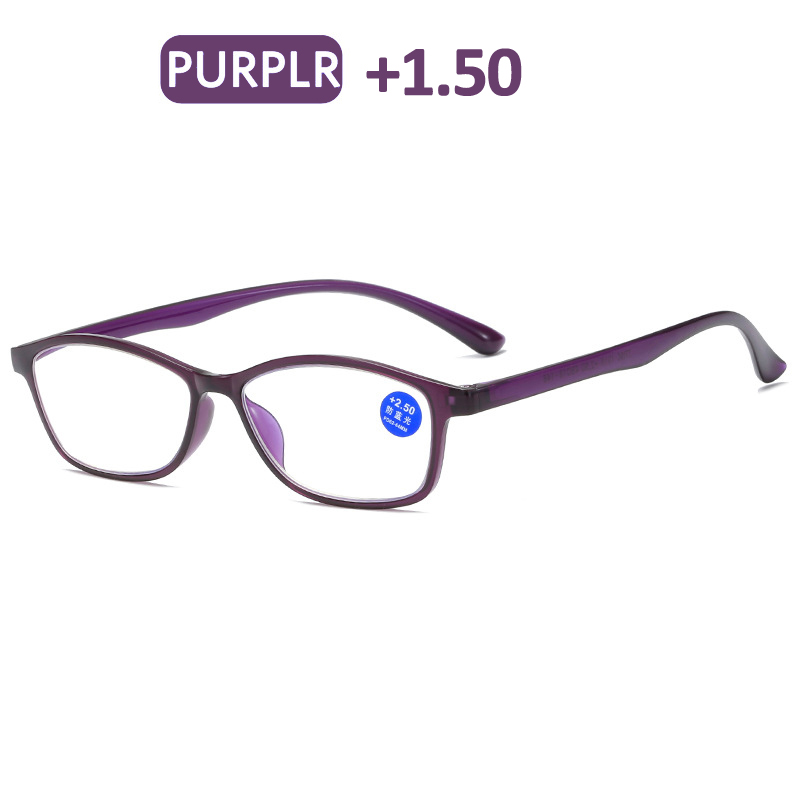
Through my research, I discovered Mozaer Designer offers a wide range of stylish and functional eyewear. I found their collection to be particularly impressive. I was looking for something lightweight and comfortable for reading, and I stumbled upon the Seemfly Altralight Reading Glasses. These glasses have a TR90 flexible frame and anti-blue light lenses. I spend a lot of time in front of screens, so the anti-blue light feature is a huge plus. They're available in different diopters, so I was able to find the perfect strength for my needs. I am really happy with my seemfly altralight reading glasses. They are so light and comfortable, I sometimes forget I'm wearing them! The anti-blue light coating really helps reduce eye strain after a long day of work. The flexible frame also makes them durable and less likely to break. They've become my go-to reading glasses, and I highly recommend them. If you're looking for comfortable and effective reading glasses, give them a try.