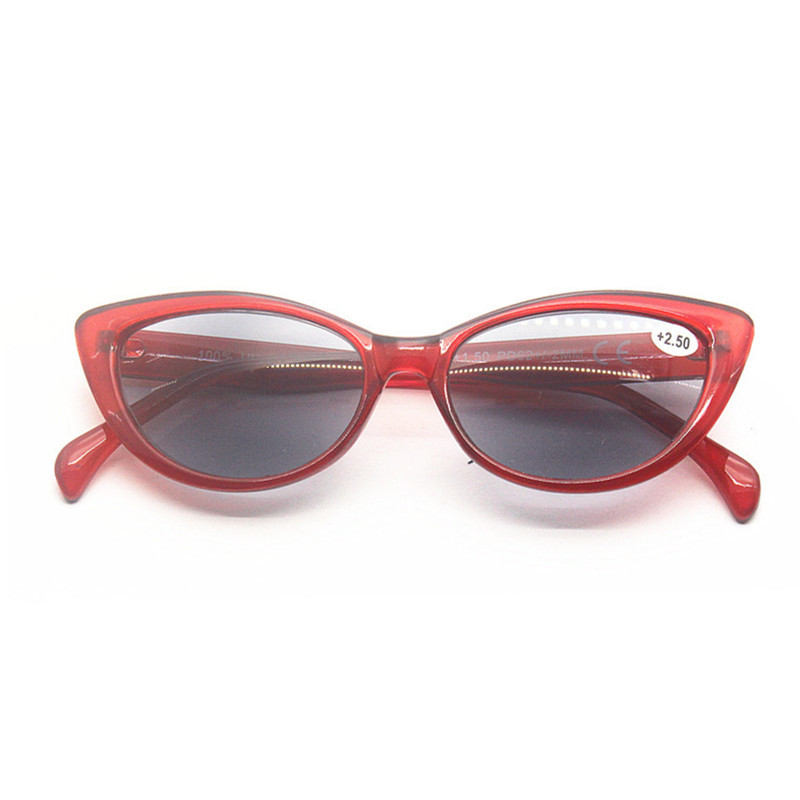
As I've gotten older, I've found myself needing reading glasses. For years, I treated them as disposable accessories, always opting for the cheapest pairs I could find online. I assumed they all performed the same basic function.
I couldn't have been more mistaken. If you depend on your glasses every day, quality becomes crucial. I ended up spending hundreds of dollars replacing flimsy, broken glasses while suffering from constant eye strain.
My transition from $20 disposable glasses to the sturdy, crystal-clear $49 Ahora frames from Mozaer taught me an important lesson about true value. Here's how I finally stopped wasting money and significantly improved my daily comfort.
I started at the absolute bottom, determined to spend as little as possible. If glasses cost less than a movie ticket, I considered them worth buying. The results were consistently disappointing.
My first pair cost $20 and lasted just three weeks.
These glasses felt incredibly flimsy, made from thin plastic with tiny screws holding the arms in place. The screws would work themselves loose every few days, quickly teaching me that budget frames aren't built to last.
The lenses presented the biggest issue. They scratched immediately, even with gentle cleaning, and the prescription often felt weak or uneven. When reading, the edges of the lenses remained blurry, leading to frequent headaches.
Reviews for these ultra-cheap glasses typically include comments like "felt cheap and broke easily." While they might suffice for occasional use, they're completely inadequate for daily wear.
The Hidden Cost of Cheap Glasses:
Verdict: Avoid glasses under $25 entirely. They're guaranteed money pits that you'll need to replace monthly.
After recognizing the $20 pairs were worthless, I increased my budget to around $40, hoping this middle ground would offer better quality. I specifically looked for frames advertised as more durable with scratch-resistant lenses.
My $40 upgrade was... acceptable.